Overview
Pakistan's "Switzerland" — alpine lakes, pine forests, and easy access, perfect for first-time northern travelers and weekend escapes.
Things to Do in Swat & Kaghan-Naran
-
Alpine lakes: Saif-ul-Malook & Mahodand
-
Pine-forested valleys
-
Easy access from Islamabad
-
Family- and first-timer-friendly


Malam Jabba
Pakistan's best-known ski resort, with a chairlift running through pine forest even outside snow season.
Kalam Valley
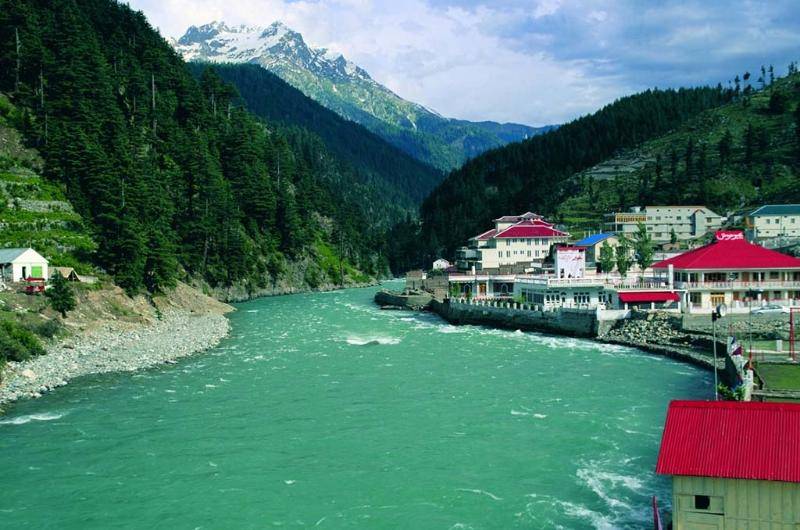
A cooler, higher stretch of Swat with pine-forested slopes and the Swat River running through the middle of town.
Mahodand Lake
A glacial lake at the end of the Kalam valley road, ringed by meadows and often called one of the most beautiful in Pakistan.
Saidu Sharif Buddhist Ruins
Stupa and monastery remains from Swat's Gandhara-era Buddhist past, a reminder of the valley's much older history.
Lake Saiful Muluk
A high-altitude lake near Naran wrapped in local legend, framed by Malika Parbat in the background.
Swat was once the heart of Udyana, an ancient center of Buddhist civilization and learning that flourished under the wider Gandhara civilization — the valley is still scattered with stupas, monasteries, and rock carvings from that era. Later ruled as a princely state under Yusafzai Pashtun chiefs, Swat retained a measure of self-governance until it formally merged into Pakistan in 1969. Neighboring Kaghan Valley, part of the Hazara region, has a longer history as a summer route between the plains and the high Himalaya.
Swat is predominantly Pashtun, shaped by the Yusafzai tribal code of hospitality and honor (Pashtunwali), while Kaghan and Naran sit in Hazarewal cultural territory with its own distinct dialect and customs. Both valleys layer a living, working agricultural and pastoral culture — orchards, terraced fields, herding — over visible traces of a much older Buddhist past, a combination that's rare to see this closely side by side.
Weather in Swat & Kaghan-Naran
Both valleys have a temperate alpine climate. Spring through autumn (April to October) is mild and green, with Kaghan catching monsoon rain in July–August; winters are cold and snowy, closing the higher routes like Babusar Pass but turning Malam Jabba into a functioning ski resort.
Malam Jabba Snow Season
Pakistan's main skiing window, drawing visitors to the country's most developed winter-sports resort.
Spring Blossom Season
Orchards and hillsides across both valleys turn green almost overnight as the snow retreats.
Naran Summer Season
Peak travel season for Kaghan and Naran, when Babusar Pass is open and the valley is at its greenest.
Ready to experience Swat & Kaghan-Naran yourself?