Overview
Closest hills to Islamabad and Rawalpindi — GTS's go-to for fast weekend getaways.
Things to Do in Murree & Galliyat
-
Closest hill station to Islamabad
-
Pine forest walking trails
-
Colonial-era hill-town architecture
-
Ideal for 2-day weekend trips

Mall Road
Murree's colonial-era main street, still the social heart of the hill station with shops, cafes, and mountain views.
Patriata (New Murree)
A chairlift and cable-car ride up to pine-forested ridgelines just outside Murree, popular for the views alone.
Pindi Point
A chairlift-accessible viewpoint looking out over Rawalpindi and Islamabad on a clear day.
Ayubia National Park
A protected pine-and-oak forest with walking trails and a chairlift, home to the Galliyat's resident monkeys.
Nathiagali
A quieter, more forested hill town than Murree itself, popular for its cooler climate and colonial-era guesthouses.
Murree was founded by the British colonial administration in the 1850s as a hill station — a cool retreat from the summer heat of the plains, and a sanatorium posting for troops. Its Mall Road and colonial-era architecture still trace back to that era. After independence, Murree's short distance from Islamabad and Rawalpindi turned it into Pakistan's most-visited hill resort, and the wider Galliyat range around it — Nathiagali, Ayubia — grew alongside it as quieter, forested alternatives.
The Galliyat sits in Punjabi and Potohari hill-country territory, with an economy and culture now deeply shaped by tourism itself — Mall Road's shops, colonial-era hotels, and pine forests are as much a part of local identity today as the farming villages tucked into the surrounding hills.
Weather in Murree & Galliyat
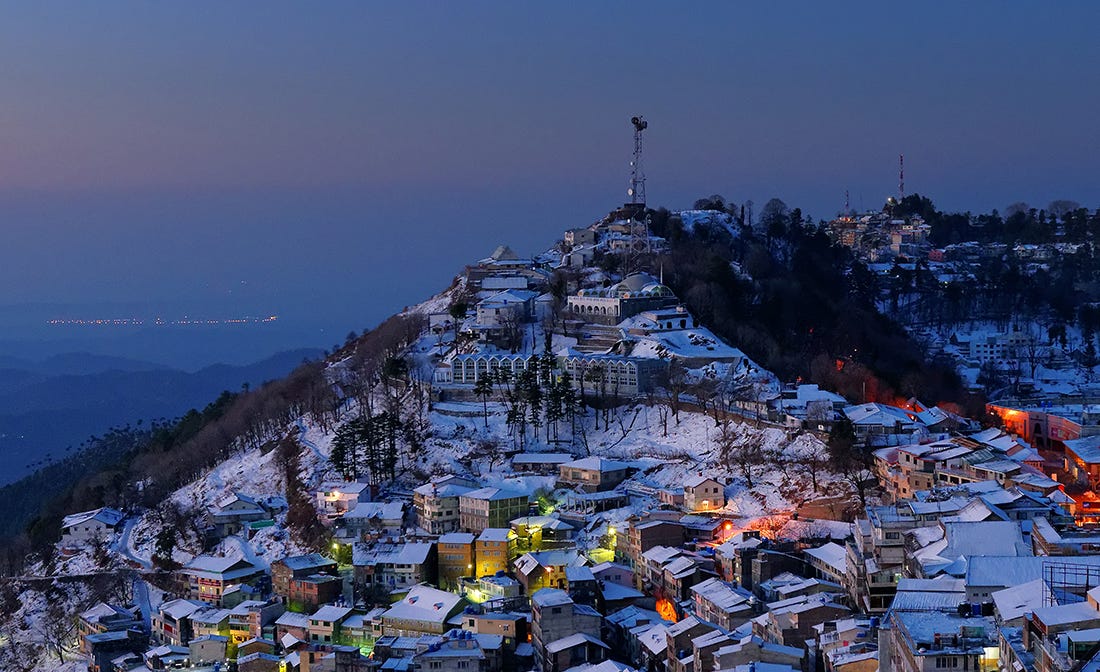
Murree and the Galliyat have a cool hill climate — a genuine relief from the plains below. Spring and autumn are mild and clear, summer is comfortably cool (peak crowds), and December through February brings regular snowfall that draws a whole separate wave of snow tourism.
Murree Snow Season
Pakistan's most popular snow-tourism season, when families travel up from the plains just to see and play in the snow.
Spring Flower Season
The hillsides green up and flower as the snow melts, before the summer crowds arrive.
Summer High Season
Murree's busiest months, as visitors from the plains escape the heat below.
Ready to experience Murree & Galliyat yourself?